
Gold Price Retreats as Middle East Tensions and Inflation Fears Shake Markets
Gold prices slipped back on Tuesday morning after an earlier rally faded, as traders reacted to renewed uncertainty surrounding tensions in the Middle East and concerns over rising inflation in the United States.
Spot gold for immediate delivery traded close to $4,700 per ounce in London trading, giving back earlier gains after comments from US President Donald Trump unsettled investors. Trump criticised Iran’s response to a proposed US peace agreement and warned that the fragile ceasefire around the Strait of Hormuz remained on “massive life support.”
The precious metal has experienced significant volatility throughout the year. After climbing to record highs in late January, gold has struggled to maintain momentum as geopolitical tensions and rising oil prices complicated the outlook for global inflation and interest rates.
Why Gold Is Struggling Despite Safe-Haven Demand
Traditionally, gold benefits during periods of geopolitical instability as investors seek safe-haven assets. However, the current market environment has created a more complex picture.
Higher oil prices linked to the conflict in the Middle East are increasing fears that central banks — particularly the US Federal Reserve — may keep interest rates elevated for longer or even tighten monetary policy further to combat inflationary pressures. This is typically negative for gold because bullion does not generate interest or yield.
According to market strategists, gold is currently trading less as a pure safe-haven asset and more as a broader macroeconomic risk indicator. Traders are closely monitoring several key drivers simultaneously, including:
- Oil price movements
- Inflation expectations
- Federal Reserve interest rate policy
- US dollar strength
- Overall market risk sentiment
This combination has made price action in gold increasingly unpredictable for short-term traders.
Silver Slides After Sharp Rally
Silver prices also came under pressure, falling more than 2% after a powerful rally during the previous session.
The metal had surged over 7% on Monday following reports of a liquidity crisis involving a state-owned oil company in Peru — one of the world’s largest silver-producing nations. Concerns over potential supply disruption initially boosted prices, but profit-taking and broader market weakness weighed on silver during Tuesday’s trading.
Platinum and palladium also moved lower alongside the wider precious metals sector.
Inflation Report in Focus
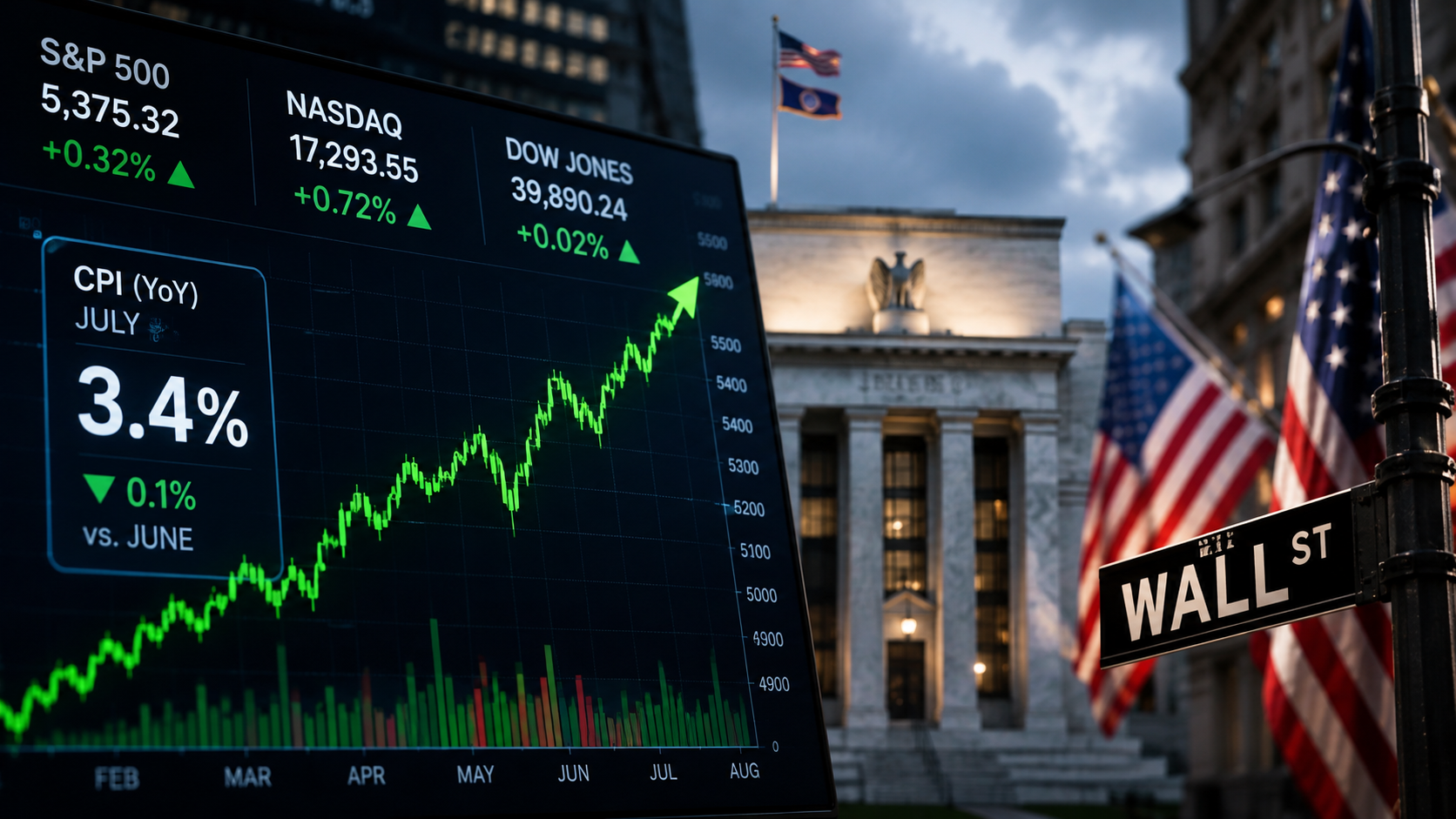
Investor attention is now turning toward a key US inflation report due later today. Economists are forecasting a notable rise in the Consumer Price Index (CPI), with higher energy costs from the Middle East conflict expected to feed through into manufacturing, transport, and agricultural prices.
Meanwhile, the US dollar strengthened slightly, adding further pressure to gold prices. A stronger dollar typically makes gold more expensive for overseas buyers, reducing demand.
What Traders Should Watch Next
For traders, the next major moves in gold are likely to depend on three critical factors:
- Developments in the Middle East conflict
- Upcoming US inflation data
- Expectations for future Federal Reserve interest rate decisions
If inflation continues to accelerate, markets may begin pricing in tighter monetary policy for longer, which could limit upside potential for gold despite ongoing geopolitical risks.
However, any deterioration in global stability or signs of economic slowdown could quickly revive demand for safe-haven assets.
For active traders, volatility across the precious metals market is creating both opportunity and risk, making disciplined trend analysis and strong risk management more important than ever.


0 Comments