
Oil Surges as US and Iran Exchange Strikes – What Day Traders Need to Know
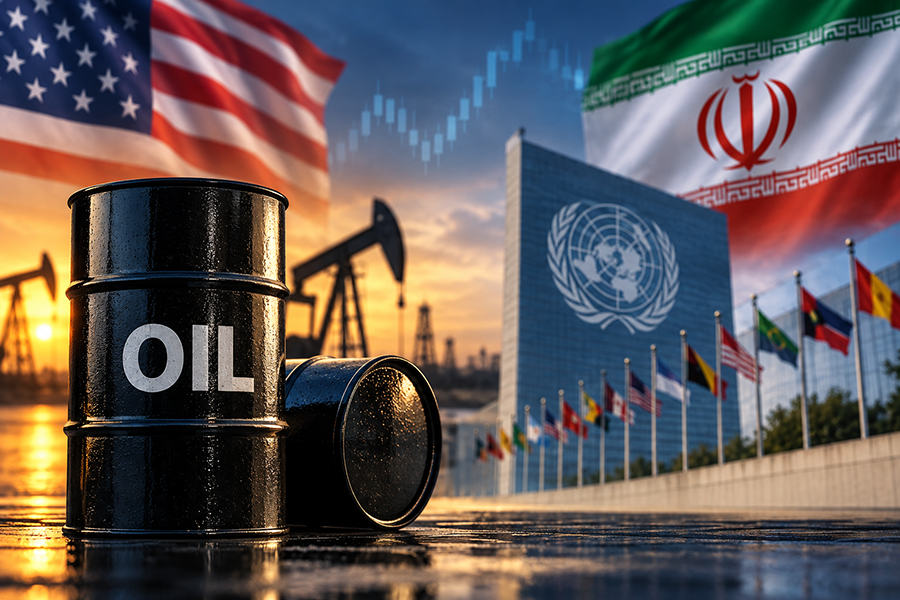
Oil prices have surged sharply as tensions between the United States and Iran escalate, reversing the decline seen only days earlier when hopes of a diplomatic breakthrough had briefly calmed energy markets.
Brent crude climbed above $95 a barrel, while WTI moved towards $91, following a fresh exchange of strikes between the US and Iran.
For traders, the sudden reversal is another reminder of just how quickly sentiment can change in headline-driven markets – and why having a clear trading process can be more valuable than trying to predict what happens next.
Oil Prices Jump as Middle East Tensions Escalate
Oil markets had already been volatile, but the latest escalation between Washington and Tehran pushed prices sharply higher.
The US carried out a series of airstrikes against targets in Iran, with Tehran subsequently responding. At the same time, concerns have intensified over the movement of commercial shipping through the Strait of Hormuz.
The Strait is one of the world’s most important energy shipping routes, historically handling around a fifth of global oil consumption.
Any disruption – or even the increased possibility of disruption – can therefore have an immediate impact on crude oil prices.
Reports of further missile and drone activity across the region have added to concerns that the conflict could become more prolonged, increasing the potential threat to oil supplies.
That change in expectations appears to be reflected in the latest price action.
From a $2 Fall to a $4 Surge
What makes the recent move particularly interesting for traders is how quickly the oil market has changed direction.
Only a week ago, crude oil fell by more than $2 a barrel as traders reacted to hopes that talks involving Iran and Oman could help restore safer passage through the Strait of Hormuz.
Now, oil has moved more than $4 higher as renewed military action raises the possibility of greater disruption instead.
It is effectively the same geopolitical story producing two completely different market reactions within a matter of days.
And there is an important trading lesson here.
Why Predicting the News Can Be Dangerous
When markets are being driven by geopolitical events, becoming too attached to a bullish or bearish outlook can create problems.
A trader could have looked at last week’s diplomatic developments and concluded that oil prices were likely to continue falling.
Days later, the situation changed dramatically.
Likewise, traders buying oil purely because they believe the conflict will continue could find themselves caught by a sudden ceasefire announcement, diplomatic breakthrough or other unexpected development.
Nobody knows with certainty what the next headline will be.
Rather than attempting to predict the geopolitical outcome, traders can focus on something they can actually observe: price action.
Trade the Market, Not the Prediction
Successful day trading does not require knowing what governments, central banks or political leaders will do next.
Instead, traders can look for predefined conditions within the market before considering a trade.
That could include identifying the prevailing trend, waiting for a particular technical setup, defining an entry level and establishing the amount of capital at risk before entering the position.
If those conditions aren’t present, there may simply be no trade.
This approach becomes particularly important when markets are moving quickly because of breaking news.
A rules-based trading process can help remove some of the temptation to chase sudden moves or make emotional decisions based on headlines.
Volatility Creates Opportunity – But Also Greater Risk
Large intraday moves naturally attract traders.
When oil moves several dollars within a session, there may be more potential trading opportunities than during quieter market conditions.
However, greater volatility also means greater risk.
Prices can move quickly, spreads may widen and sudden headlines can cause markets to reverse direction with little warning.
For day traders, risk management therefore becomes especially important.
Before entering a trade, it can be useful to know:
- Where the trade becomes invalid
- Where the stop-loss will be positioned
- How much capital is being risked
- Whether the potential reward justifies that risk
- What conditions need to occur before entering the market
The objective isn’t simply to find markets that are moving. It’s to identify opportunities where the potential risk and reward can be clearly defined.
Why Oil Is Worth Watching for Day Traders
Crude oil is one of the world’s most actively traded commodities and can react strongly to changes in global supply, demand, inventories and geopolitical risk.
That makes it an interesting market for short-term traders – particularly during periods of increased volatility.
But the same characteristics that create opportunity can also make oil unforgiving.
A position that looks attractive one minute can quickly move in the opposite direction following an unexpected headline.
This is why traders may benefit from approaching oil with a predefined strategy rather than trying to react emotionally to every piece of breaking news.
What Happens Next?
The immediate direction of crude oil is likely to remain sensitive to developments involving the US, Iran and the Strait of Hormuz.
Any further disruption to shipping could increase concerns about global oil supplies and potentially place additional upward pressure on prices.
On the other hand, signs of de-escalation or renewed diplomatic negotiations could quickly remove some of the geopolitical premium currently being priced into crude.
For traders, however, predicting which scenario happens next isn’t necessarily the priority.
The more important question is:
What is the market doing right now – and does it match your trading setup?
The dramatic reversal in oil over the past week demonstrates why that distinction matters.
Markets can change direction far faster than opinions do.
Having a repeatable trading process, predefined risk and the discipline to wait for the right setup can help traders respond to those changes rather than trying to predict them.
Risk Warning: Trading financial markets involves risk and may not be suitable for all investors. Leveraged products can result in losses exceeding expectations, and past performance is not a reliable indicator of future results. Always ensure you understand the risks involved before trading.
0 Comments